LAL plasticware includes containers and bottles, tips, pipettes, and test tubes. When selecting these materials, several factors must be considered:
- Endotoxin content: Plasticware is often certified with a maximum endotoxin content of 0.005 EU/ml, though more commonly it is certified like medical devices, i.e., 0.5 EU/ml. Our plasticware can reach 0.001 EU/ml.
- Type of plastic: Polystyrene is the material that best meets the requirements of the LAL test. Other materials (polypropylene, polyethylene) have been shown to interfere with the test, mainly due to endotoxin adherence to surfaces and the release of interfering substances.
Apyrogenic plasticware is certified with limits of 0.5, 0.005, or 0.001 EU/ml and is free of interfering factors.
LAL Plastic Consumables:
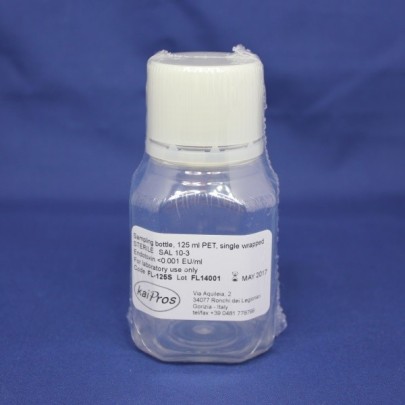
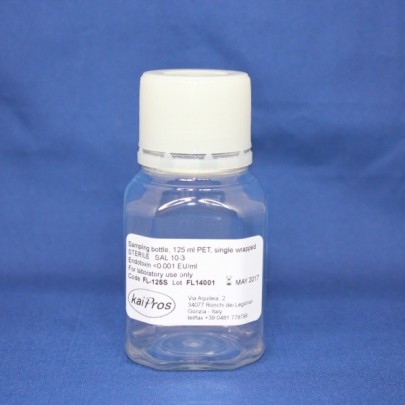
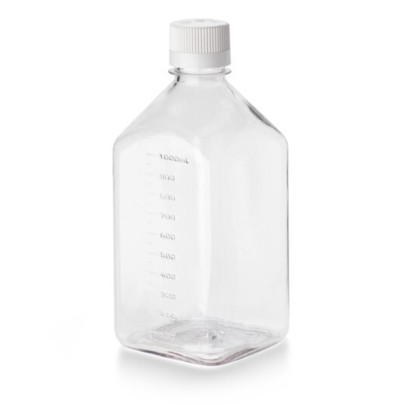
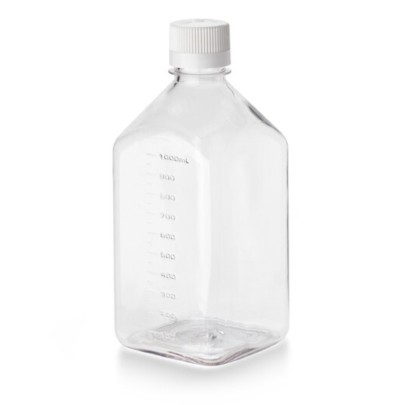
- Apyrogenic bottles for sampling
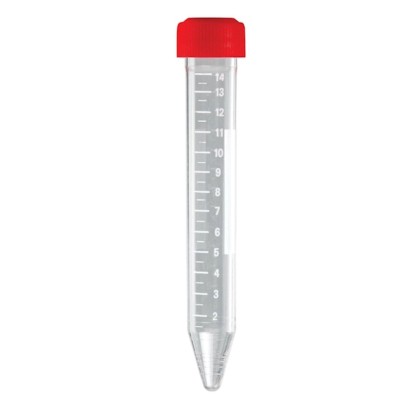
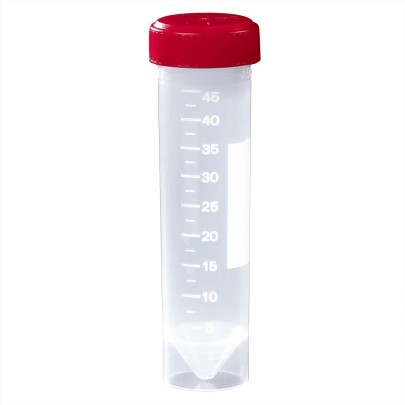
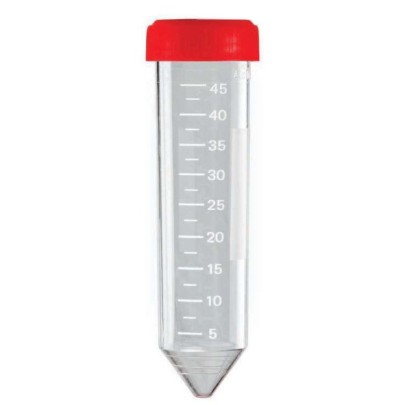
- Apyrogenic large tubes for sampling
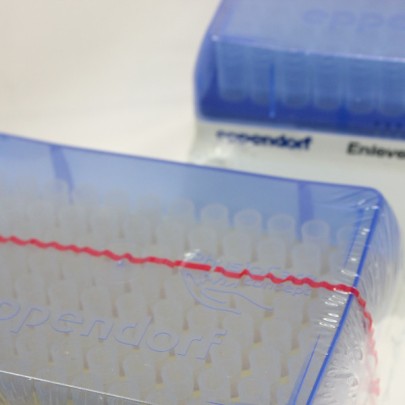
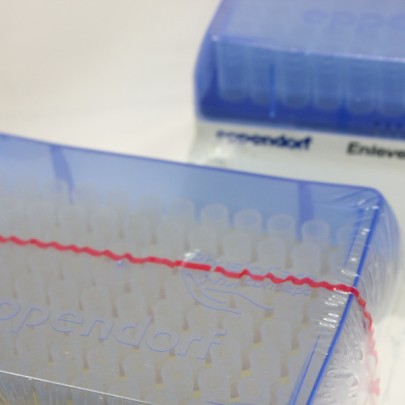
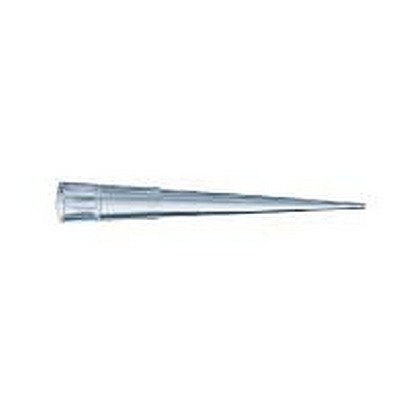
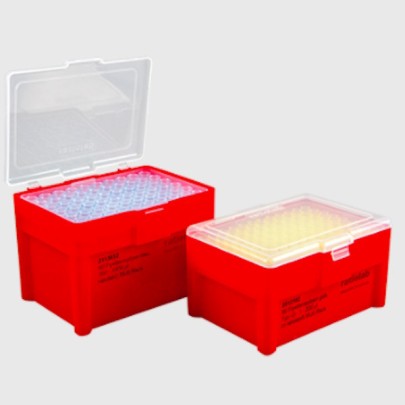
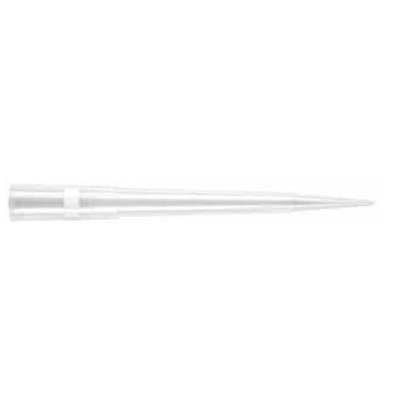
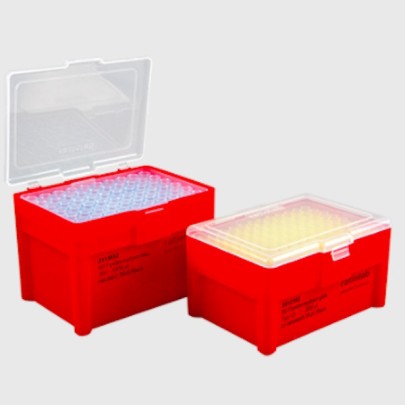
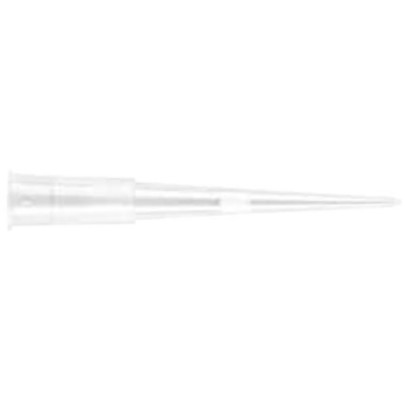
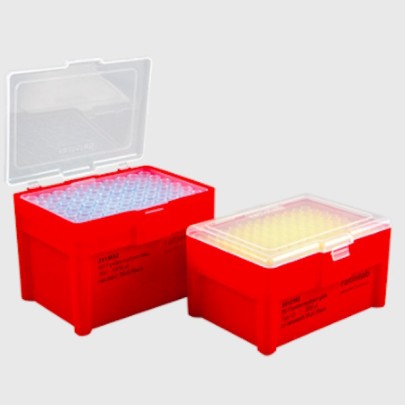
- Apyrogenic tips for liquid transfer
- Apyrogenic reservoirs for multichannel pipettes
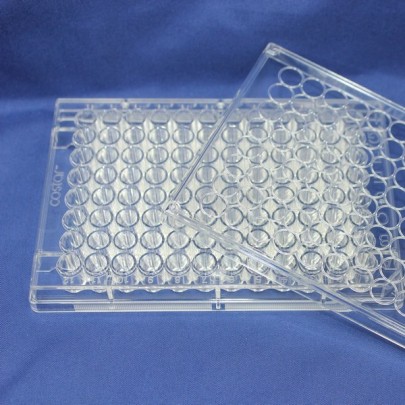
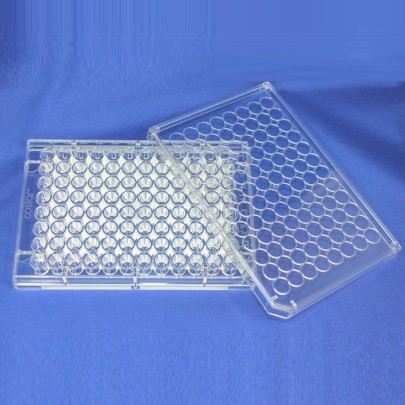
- Apyrogenic microplates for performing the kinetic LAL test