Your cart
There are no more items in your cart
Search in blog

Sterile boot covers are an effective solution for Salmonella surveillance in poultry farms. Salmonellosis is the zoonosis most commonly transmitted to humans through the consumption of contaminated food of animal origin. Salmonella is a ubiquitous bacterium, and the serotypes most commonly implicated in human infections are Salmonella enteritidis and Salmonella typhimurium.
Monitoring microbial presence in poultry farms significantly reduces the risk of microbial contamination spreading into the environment, thus ensuring contamination-free production of food (meat, eggs).
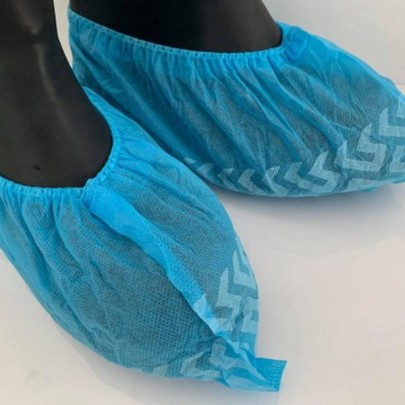
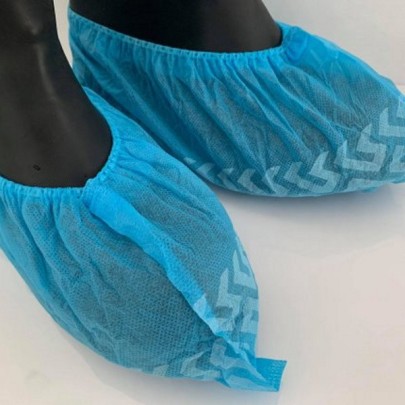
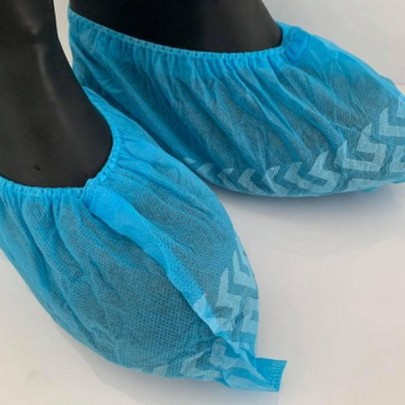
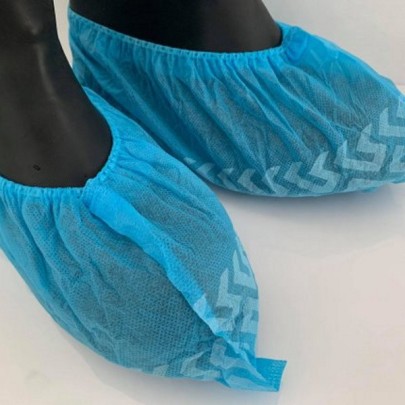
Among the various environmental monitoring methods, the use of boot swabs is currently one of the simplest, most cost-effective, and most efficient. These absorbent overshoes are specifically designed to facilitate the sampling of microorganisms present in poultry farms and subsequent laboratory analysis. Worn over boots, they allow workers to effortlessly collect fecal matter and dust samples from the floor while performing other tasks.
Kairosafe has selected two manufacturers of boot swabs, each offering high-performance and durable boot swabs. If you have any questions about how many swabs to use and which type, please contact us for specific clarification and guidance.
They are easy to use, require no additional equipment, and are reliable: they provide samples from a large area of the farm's floor and bedding, allowing the operator to obtain a complete and representative picture of environmental microbial contamination.
They require no direct handling of the animals, reducing stress and simplifying operating procedures. The boot swabs are sterile and disposable, minimizing the risk of cross-contamination between different areas or zones of the farm, unlike reusable methods. They are significantly more cost-effective than various other sampling techniques.
.png)
The kit consists of boot swabs pre-moistened with Maximum Recovery Diluent (MRD, a sterile diluent that promotes material adhesion and protects the collected bacteria) and sterile disposable gloves, essential for preventing cross-contamination.
The product comes in packs of 2 or 5 pairs of overshoes, with or without boot covers, and comes in resealable sterile bags to facilitate sample transport to the analysis laboratory and subsequent homogenization and incubation.
The choice of the appropriate kit is determined by specific regulations that establish different sampling protocols depending on the farm category and the associated risk: generally, for laying hens and turkeys, the 2-boot swab kit is preferred, while for broiler and breeder chickens, the 5-boot swab kit is chosen.
Sampling with shoe covers must follow standardized protocols, such as those established by the National Salmonella Control Plans and European regulations (EU Regulations 200/2010, 517/2011, 1190/2012, and ISO 6579-1:2017) and requires the following:
The use of boot swabs is the method of choice, specifically foreseen and recommended in the National Salmonella Control Plans (PNCS) for poultry farms. It allows for the collection of reliable data with minimal intervention, reducing the risk of Salmonella spread an
Which boot sbaws should I use for my turkey farm?
Two-pair kits, with or without boot covers
Which boot sbaws should I use for my laying hens?
Two-pair kits, with or without boot covers
Which boot sbaws should I use for my breeder and broiler chicken farm?
Five-pair kits, with or without boot covers