Your cart
There are no more items in your cart
Search in blog

Microbiological laboratories use a wide range of microbial strains for the quality control of culture media, for research purposes, for various analytical methods, and—not least—for teaching.
Industry regulations provide guidelines regarding the strains to be used.
Microorganism cultures are referred to by various terms, such as control strains, standard cultures, reference strains, quality control strains, etc.
Ready-to-use standardized microbial strains are commercially available, but it is also possible to establish in-house strain collections to optimize strain availability and cost-effectiveness.
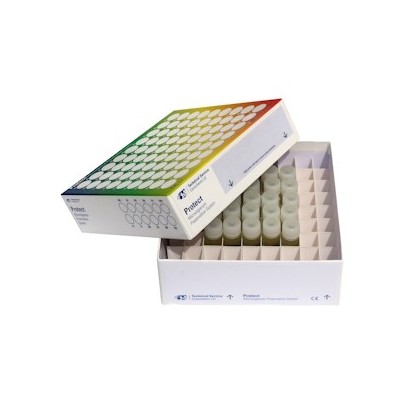
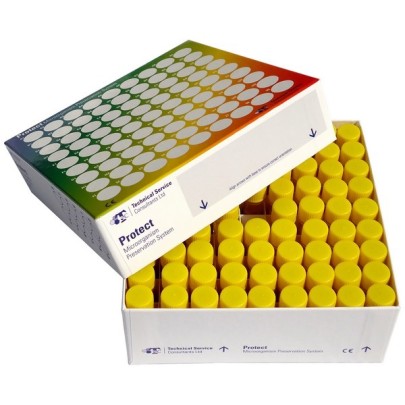
The Protect system is a very simple yet ideal solution for establishing microbial strain collections.
A strain collection is an archive of microbial strains preserved at low temperatures for the long term. The main challenge lies in maintaining the strain's original characteristics while avoiding contamination, culture aging, and phenotypic—and above all, genetic—variations.
This makes the method used for strain preparation and subsequent storage, as well as the quality of the materials employed, critically important. For this reason, Kairosafe has chosen Protect—the original system manufactured by TSC Ltd and FDA-approved.
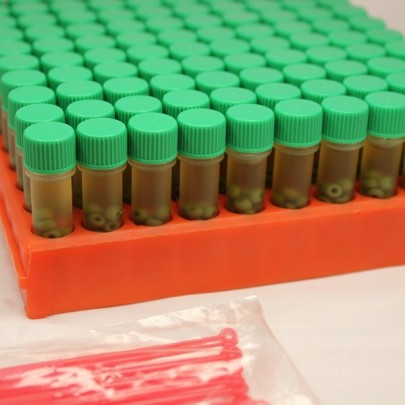
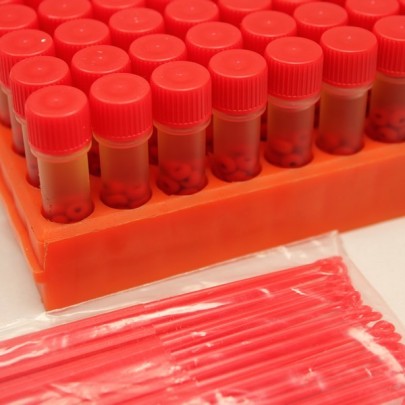
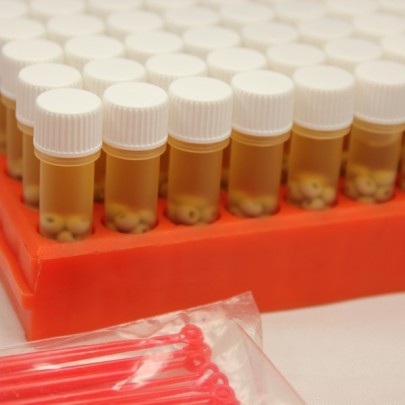
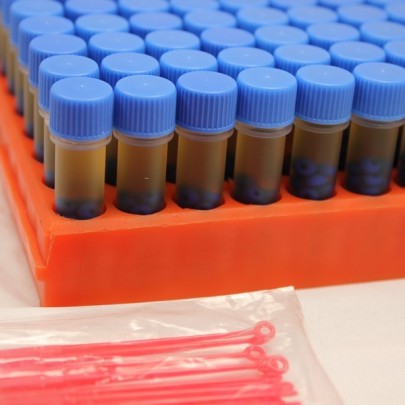
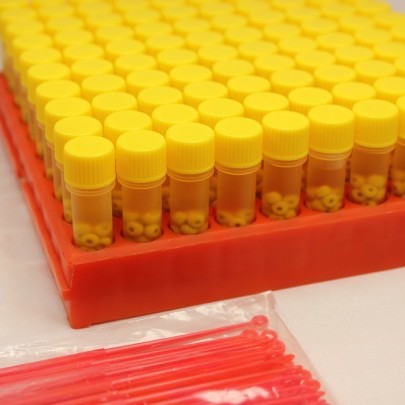
It consists of porous ceramic beads immersed in a cryopreservative solution developed to nourish cells and prevent freezing damage. When microorganisms come into contact with the beads, they adhere firmly to them; the beads are then placed in a freezer. Each vial yields approximately 20 aliquots of microorganisms—each aliquot representing a single use.
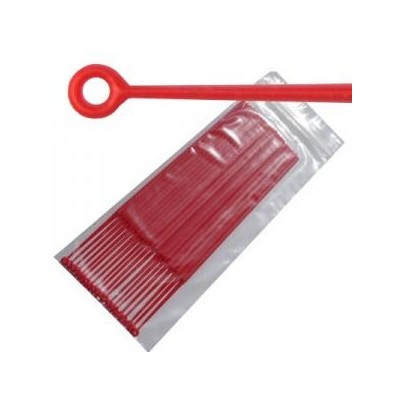
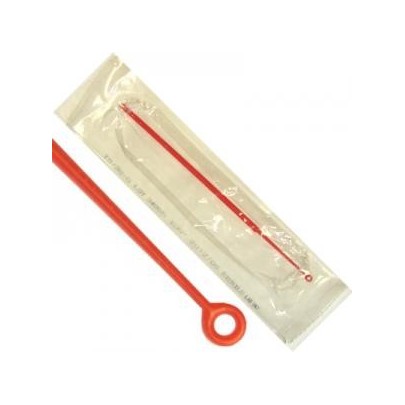
Preparation is very simple: a dense loopful of the microbial strain is collected and introduced into the Protect vial; the vial is shaken well to ensure the microorganisms adhere to the beads; the cryopreservative liquid is removed; and the vial is placed in a freezer at -20°C, -70°C, or -80°C, or in liquid nitrogen.
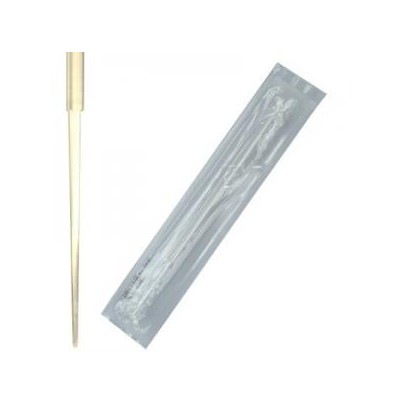
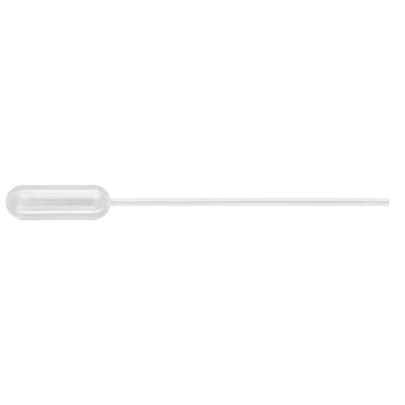
Recovering the microorganism is equally simple: a cryovial is removed from the freezer, and a sterile needle is used to retrieve a single bead, which is then streaked directly onto agar medium or inoculated into culture broth.
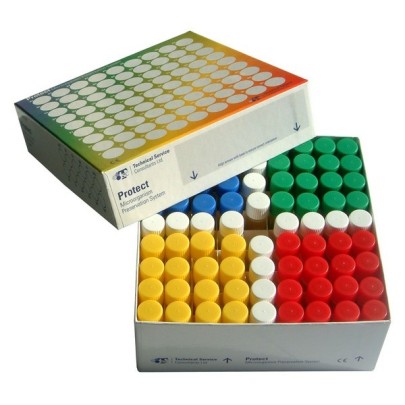
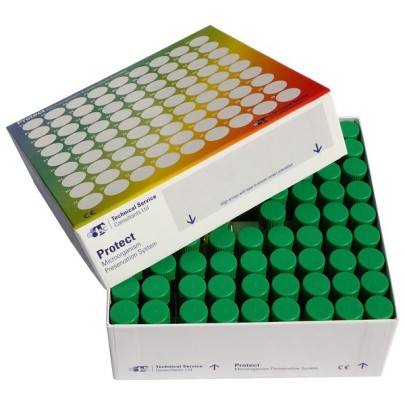
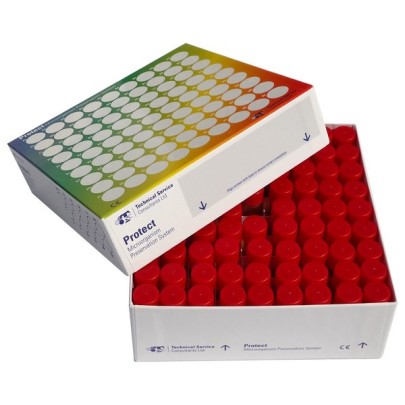
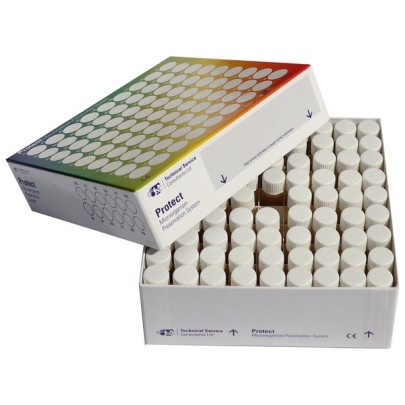
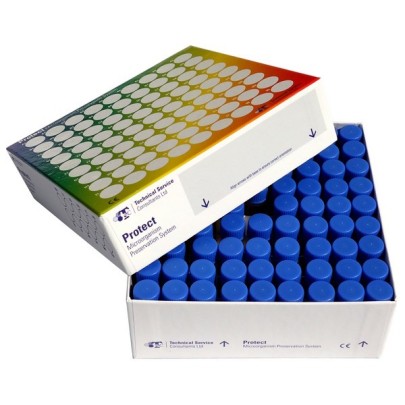
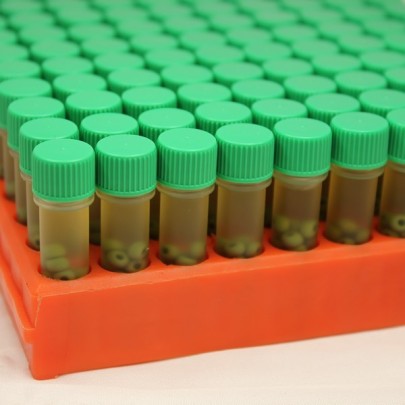
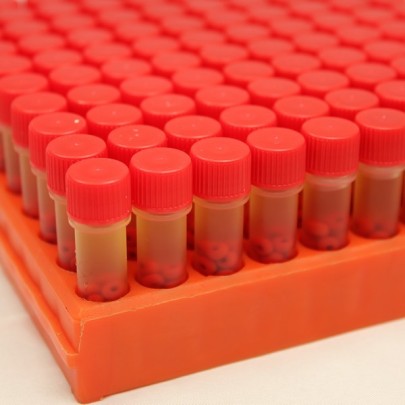
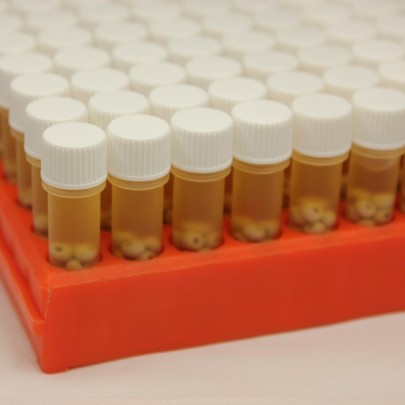
A well-organized strain collection is quickly established, facilitated by the color-coding of the cryovial caps and beads.
A system for the cryopreservation of bacteria, yeasts, and fungi in freezers at -20°C, -70°C, or -80°C, or in liquid nitrogen.
The vials feature a color-coding system that facilitates storage: the beads and the cap share the same color (light blue, red, yellow, green, or white) to identify the contained strain. Protect Multiuso is suitable for all types of microorganisms.
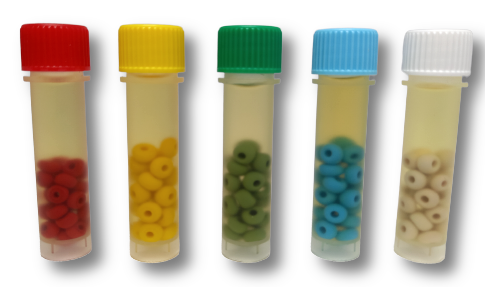
Protect Select builds upon the specialization of the multi-purpose Protect product, offering users a range of specific broths and the ability to meet particular requirements for microorganism preservation.
In this case, the beads are color-coded according to the specific type of Protect Select.
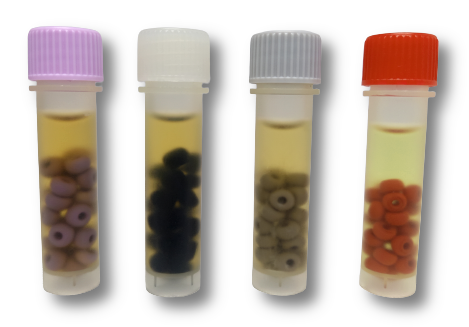
Do the colors of the beads and caps indicate different types of broth?
With Protect Multiuso, no. The tubes feature a color-coding system to facilitate storage; the beads and the cap share the same color (light blue, red, yellow, green, or white) to identify the specific strain contained within.
With Protect Select, yes. In this case, the bead color varies depending on the specific Protect Select product type.
How long can microorganisms be stored using Protect?
The manufacturer, Technical Service Consultants Ltd, does not make specific claims regarding the shelf life of microorganisms on Protect beads at low temperatures (-20, -70, -80°C; liquid nitrogen). This is because the duration depends on various factors, including the type of microorganism, its viability, the inoculum concentration, culture preparation and handling, the frequency of freeze-thaw cycles, etc. It is recommended to validate the use of Protect for the specific cultures in question.
However, a database exists containing general guidelines on storage duration for many microorganisms, based on data collected in the field over the years.
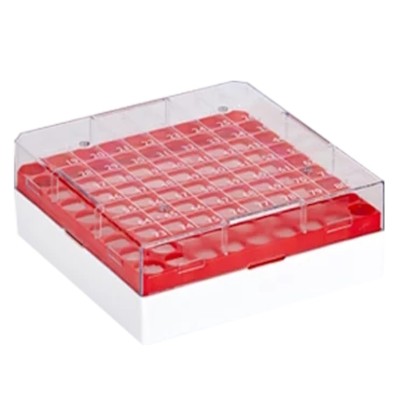
Does the Protect cardboard box withstand freezer conditions?
Yes, it is made of durable cardboard. When preparing the strain collection, should the broth be frozen along with the beads? No; once the microorganism has been introduced, the broth must be removed and discarded before freezing.