Your cart
There are no more items in your cart
Search in blog

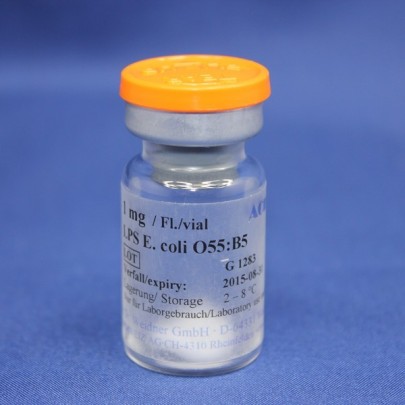
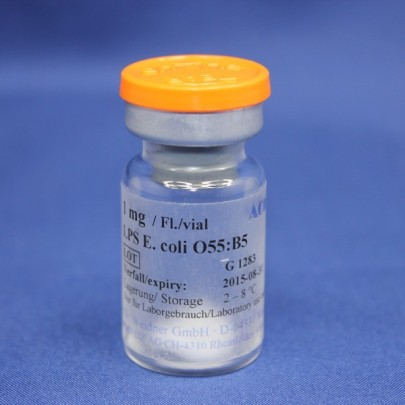
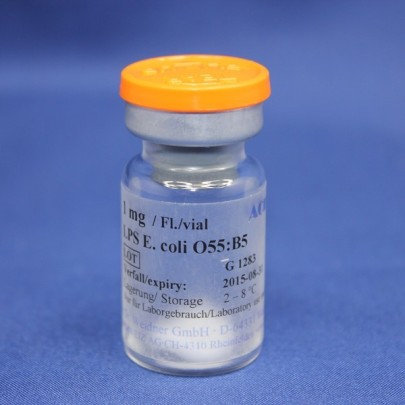
The procedure described refers to the LAL test performed, using a lysate with sensitivity 0.125 EU/ ml (λ), on two ready-to-use vials of 10,000 EU, one of which is depyrogenated and one non-depyrogenated, which acts as a positive control. The expected result is a difference of at least 3 logs, therefore the depyrogenated vial must have a residual endotoxin content lower than 10 EU/ml. Reconstitution Both vials are reconstituted with 1 ml of pyrogen-free LAL water and vortexed intermittently for 30 minutes. This phase is particularly critical, as inadequate mixing can lead to only partial recovery of the endotoxin, altering the final result of the validation.
Both vials are reconstituted with 1 ml of pyrogen-free LAL water and vortexed intermittently for 30 minutes. This phase is particularly critical, as inadequate mixing can lead to only partial recovery of the endotoxin, altering the final result of the validation.
Proceed with the graduated dilution in LAL water, until reaching the endotoxin concentration corresponding to λ/4 (0.125/4=0.03)
The LAL test is performed on each dilution of the depyrogenated sample (D) and the positive control (ND). Standard operating conditions are respected: negative controls consisting of LAL water reaction mixture consisting of 0.1 ml of sample + 0.1 ml of lysate two replicates per sample incubation at 37°C for 60 min positive result (+): firm gel after inverting the tube at 180° negative result (-): gel does not form or breaks after inverting the test tube at 180°. Calculation of the reduction The first positive dilution corresponds to the so-called "endpoint" and the quantity of endotoxin present in the vials is obtained by multiplying the endpoint dilution factor by the sensitivity of the lysate: Endotoxin content ND > endpoint ND x 0.125 EU/ml Endotoxin content D > endpoint D x 0.125 EU/ml The endotoxin reduction must be at least 3 logarithms to validate the depyrogenation cycle.